
Foundations That No Longer Support Properly
Foundation Repair & Structural Services in Chester for settling, wall cracks, and compromised load-bearing capacity
Foundation cracks wider than one-quarter inch, floors that slope toward interior walls, or basement walls bowing inward all indicate settlement or structural movement requiring professional assessment before damage progresses. Smiths Enterprises provides foundation repair and structural reinforcement in Chester through licensed engineer partnerships that produce stamped analysis and repair specifications, addressing wall cracks, settling, slab jacking, and underpinning with warranty-backed solutions designed for long-term stability.
The work begins with structural evaluation that documents crack patterns, measures deflection, and investigates underlying causes such as inadequate bearing area, poor drainage, or deteriorated footing systems. Vermont's shallow frost depth of four feet means footings placed above that line experience heave cycles that accelerate cracking and displacement.
Schedule a foundation assessment to determine the extent of movement and identify required stabilization measures.
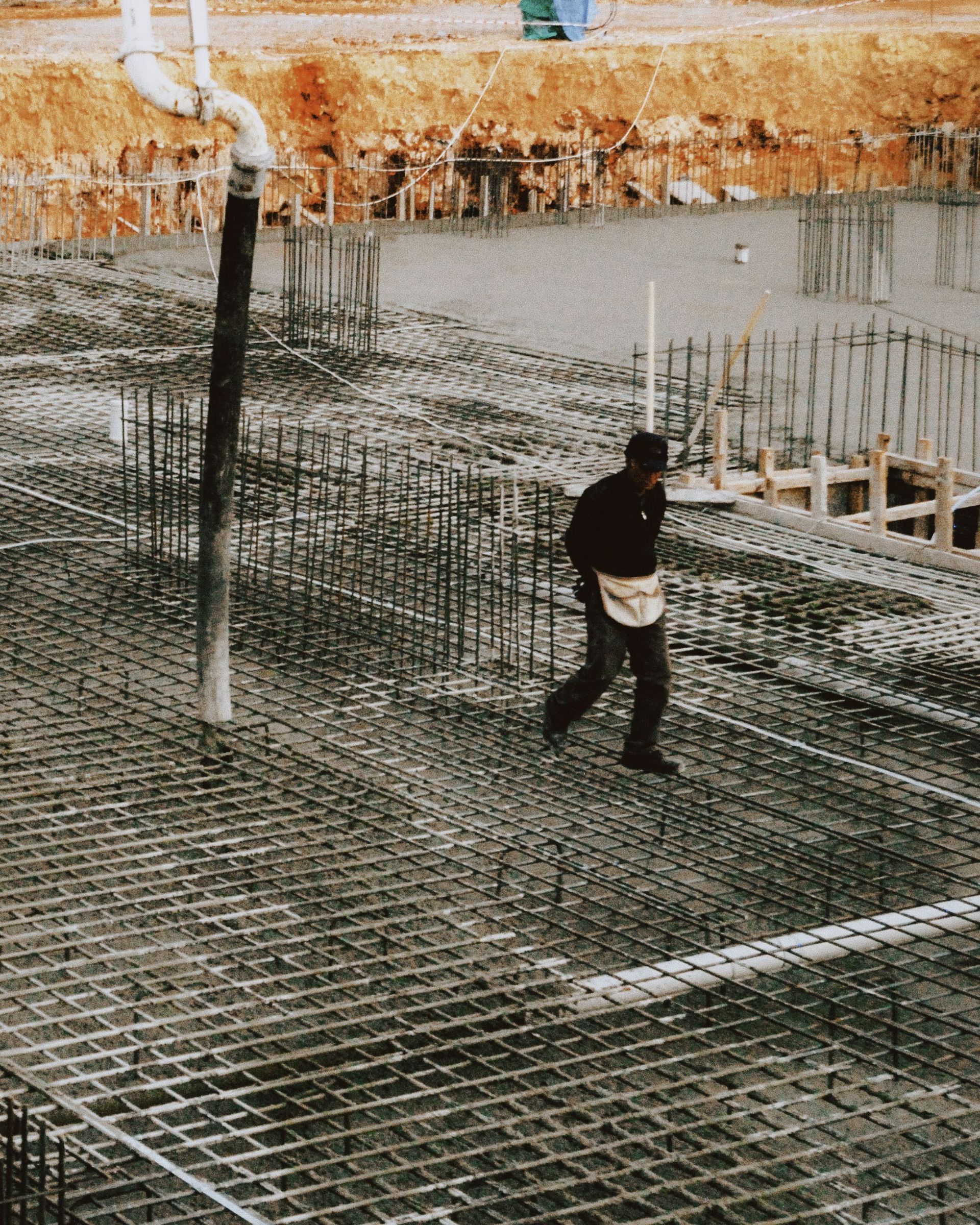
How Structural Foundation Repairs Address Damage
Your foundation receives targeted intervention based on documented failure mechanisms, with underpinning installing new footings beneath existing foundations to restore bearing capacity, slab jacking using controlled grout injection to lift settled concrete back to design elevations, and wall reinforcement adding structural elements that resist lateral pressure or redistribute loads. Licensed engineers provide stamped drawings when repairs alter load paths or when municipal permits require professional certification of structural adequacy.
Once stabilization completes, cracks stop widening, doors and windows operate without binding in their frames, and floor slopes no longer increase over time. Smiths Enterprises documents pre-repair and post-repair conditions with measurements and photographs, providing verification that movement has been arrested and structural integrity restored to code-compliant levels.
Response time matters when foundation problems appear suddenly after heavy rain or freeze-thaw cycles, with emergency shoring available to prevent further displacement while permanent repair plans are developed. Warranty details vary by repair type but typically cover workmanship for five years and structural performance for ten years when site drainage is maintained and no new loading conditions are introduced.
Answers to Frequent Foundation Questions
Foundation repairs prompt questions about structural safety, repair permanence, and how to distinguish serious problems from cosmetic cracking.
What crack patterns indicate structural problems versus normal settling?
Horizontal cracks in poured concrete walls, stair-step cracks following mortar joints in block walls, and vertical cracks wider than one-quarter inch or showing differential movement all suggest structural issues, while hairline shrinkage cracks that remain stable over time rarely require intervention beyond sealing.
How does underpinning restore foundation stability?
The process excavates sections beneath existing footings in a sequenced pattern, pours new deeper footings that reach undisturbed soil or bearing strata, then transfers building loads to the new footings through hydraulic jacking or structural pinning, effectively deepening the foundation without removing the structure above.
When is slab jacking appropriate for foundation repairs in Chester?
Slab jacking works for concrete floors or foundation sections that have settled uniformly due to soil consolidation but remain structurally intact, using expanding polyurethane foam or cement grout injected through small ports to lift the slab back to level, with effectiveness limited by the availability of void space beneath and the slab's resistance to cracking during lifting.
What engineer involvement is required for foundation repairs?
Vermont building officials typically require stamped structural drawings when repairs include underpinning, load path alterations, or reinforcement of cracked walls, with the engineer's seal confirming that proposed repairs will restore adequate capacity and that construction methods meet code requirements for permanent installations.
How do drainage improvements prevent future foundation movement?
Proper grading that slopes away from the foundation, functional gutters that discharge at least ten feet from walls, and subsurface drains along footings all reduce hydrostatic pressure and soil saturation that cause settling, frost heave, and lateral wall displacement, making drainage correction essential to long-term repair success.
Foundation problems require prompt attention to prevent escalating damage and higher repair costs. Smiths Enterprises coordinates structural assessment, engineer consultation, and repair execution to restore stability with documented verification. Request an inspection that includes movement measurement and repair option evaluation.