
Exteriors That Handle Decades of Weather
Siding Installation in Chester for failing wood siding and inadequate insulation that increase energy costs
Peeling paint, rotted boards, and gaps around windows signal that siding in Chester has stopped protecting the building envelope effectively. New siding installation improves curb appeal, adds insulation value, and creates a weather-resistant barrier that prevents moisture intrusion and air leakage. Smith's Enterprises works with fiber cement, vinyl, and engineered wood materials including Hardie Board, LP SmartSide, and CertainTeed products chosen for their ability to handle Vermont's seasonal temperature swings, freeze-thaw cycles, and UV exposure without warping or cracking.
The installation process includes removing old siding, inspecting and repairing sheathing, installing weather-resistant barrier and flashing, adding insulation if the project scope includes energy upgrades, and fastening new siding with proper spacing and fastener placement to allow for material expansion and contraction. Trim upgrades using premium materials can be integrated during siding replacement to create cohesive exterior finishes that resist rot and require less frequent repainting.
Request a property assessment to identify underlying sheathing damage and discuss material options that balance appearance with long-term durability requirements.
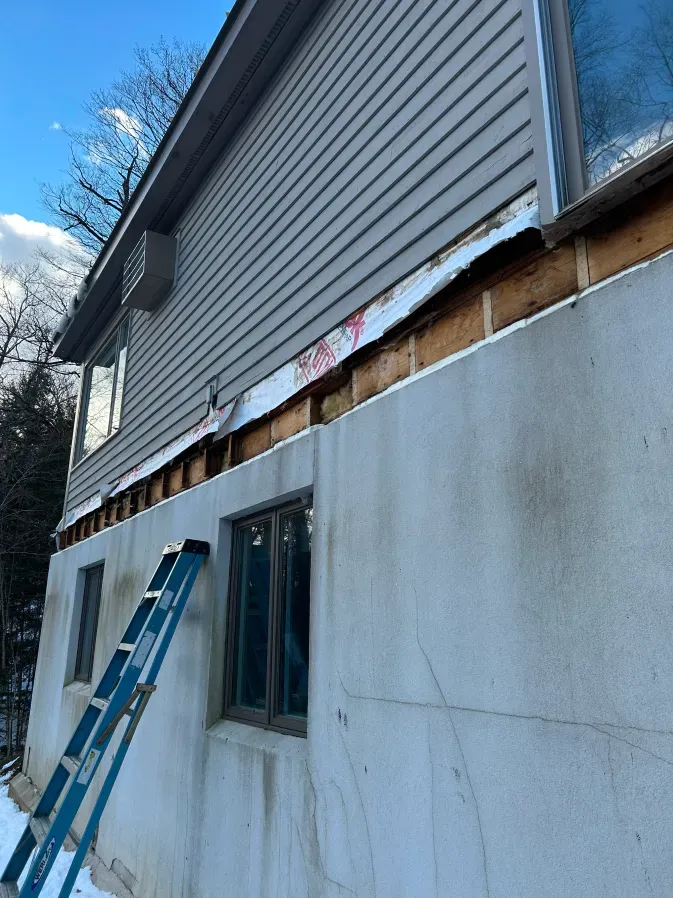
What You Notice Once Siding Installation Is Finished
Proper siding installation requires attention to flashing details around windows and doors, correct overlap at horizontal joints, and fastening techniques that secure materials without restricting natural movement. Fiber cement products like Hardie Board need specific fasteners and clearance from grade to prevent moisture wicking, while engineered wood such as LP SmartSide requires sealed cut edges and proper paint or stain application for warranty compliance. Vinyl siding must hang loosely enough to expand in summer heat without buckling.
After installation, the exterior looks uniform without wavy courses or misaligned seams, corners fit tightly without gaps, and trim sits flush against siding without visible separation. Inside the home, drafts around outlets and baseboards decrease when the building envelope is tightened, and heating costs drop when insulation upgrades accompany siding replacement. The exterior no longer requires scraping and painting every few years, and wood rot stops spreading behind protective fiber cement or engineered materials.
Material selection affects maintenance requirements and lifespan, with fiber cement lasting 30-plus years with minimal upkeep beyond occasional cleaning, while vinyl resists fading and impact in cold temperatures when quality products are selected. Smith's Enterprises explains these differences and helps clients choose materials that match their home's architectural style and their willingness to perform ongoing maintenance.
What Property Owners Usually Ask
Homeowners in Windsor County planning siding projects typically want to understand material performance, insulation benefits, and how installation techniques affect longevity.
What siding material works best for Chester's climate?
Fiber cement and LP SmartSide both handle freeze-thaw cycles effectively, resist moisture damage, and maintain appearance longer than traditional wood siding, while quality vinyl products resist impact and fading when manufactured for cold-weather performance.
How does new siding improve energy efficiency?
Installation provides an opportunity to add rigid foam or other insulation products behind siding, seal air leaks around windows and penetrations, and upgrade the weather-resistant barrier to reduce heat loss during Vermont's long heating season.
When should trim be replaced along with siding?
Trim replacement makes sense when existing wood trim shows rot, when changing siding thickness requires different trim profiles, or when upgrading to low-maintenance materials like AZEK or Wolf trim eliminates future painting and rot concerns.
What installation details prevent water intrusion?
Proper flashing above windows and doors, sealed joints where siding meets trim, kickout flashing at roof-wall intersections, and correct clearance above grade prevent water from reaching sheathing or migrating into wall cavities.
Why does siding warranty coverage vary between products?
Warranties depend on material composition, paint or finish systems, and whether installation follows manufacturer specifications for fastening, clearances, and flashing, with some products requiring professional installation for full coverage.
Smith's Enterprises uses installation techniques designed to meet manufacturer specifications and handle Vermont weather conditions year-round. Contact the office to schedule a consultation and receive a detailed estimate based on your home's exterior condition and material preferences.