
Preparing Land for Construction Activity
Lot clearing in Chester for properties requiring vegetation removal and grade preparation before building
Properties scheduled for new construction or significant renovation require thorough site preparation that removes vegetation, grades surfaces to planned elevations, and establishes access routes for equipment and material delivery. Lot clearing in Chester addresses forested parcels, overgrown residential lots, and sites with existing structures requiring demolition before new work begins. Smiths Enterprises approaches site preparation with the same attention to structural planning used in home construction and renovation projects, coordinating clearing operations with foundation requirements and utility routing.
The service removes trees, stumps, brush, and root systems to specified limits, followed by rough grading that establishes drainage patterns and building pad elevations. Vermont's wetland and conservation regulations often restrict clearing near streams, ponds, or designated buffer zones, requiring survey verification before work begins in environmentally sensitive areas.
Arrange a site evaluation to review clearing limits and identify any regulatory restrictions affecting your property.
What Site Preparation Actually Involves
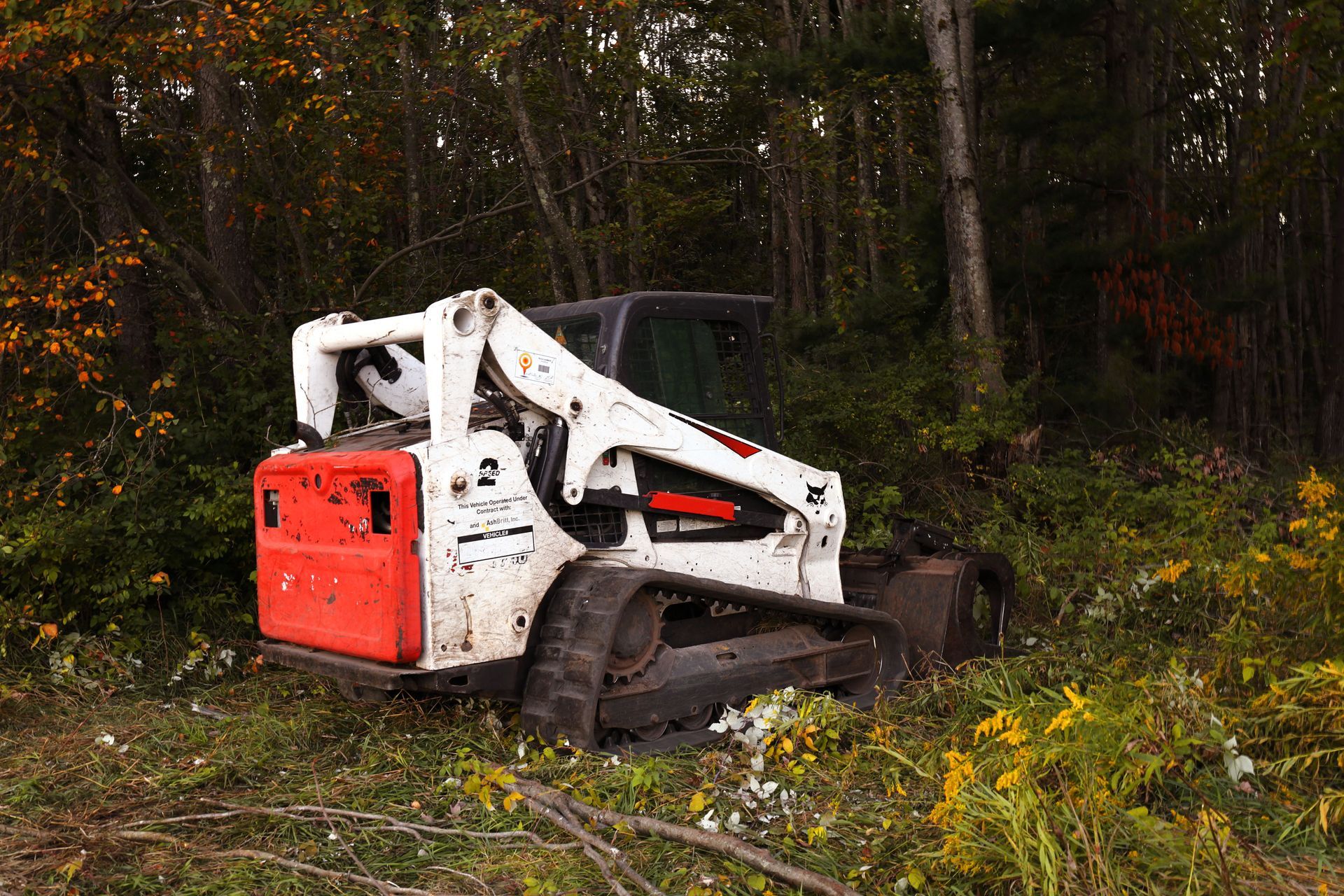
Your property undergoes systematic clearing that progresses from tree felling and limbing to stump removal and root grubbing, with wood debris either chipped for spreading, hauled off-site, or stacked for firewood depending on your preference. Excavation equipment then spreads fill material or cuts existing grade to achieve elevations shown on foundation plans, with compaction required in areas that will support structures or paved surfaces.
The finished site shows cleared building footprints with stable access routes, defined drainage patterns that direct runoff away from planned structures, and stockpiled topsoil reserved for final grading after construction completes. You see boundaries marked clearly, with any protected areas flagged and left undisturbed.
Cost variability in Vermont ranges from fifteen hundred dollars for small residential lot clearing to fifteen thousand or more for heavily wooded multi-acre parcels requiring extensive grading, with factors including tree density, stump diameter, disposal logistics, and fill material quantities all affecting final expense. Timeline expectations typically span two to five days for straightforward residential lots, extending to two weeks or longer when complicated by ledge removal, wet soil conditions, or phased clearing around active construction.
Common Questions About Land Preparation
Site work questions often focus on regulatory compliance, cost drivers, and how clearing operations coordinate with construction schedules.
What permits or approvals are required before clearing begins?
Vermont requires wetland buffer verification if water bodies exist within one hundred feet, erosion control plans for disturbances exceeding one acre, and municipal permits in towns with site plan review or tree removal ordinances, with wooded lots near streams typically requiring professional survey to confirm allowable clearing limits.
How is pricing determined for lot clearing projects?
Estimates reflect tree count and diameter for timber removal, stump quantities and root depth for grinding operations, grading cubic yardage for earthwork, and haul distance for debris disposal, with ledge rock or extensive fill placement adding significant cost beyond basic clearing.
When should site preparation occur relative to foundation work?
Clearing ideally happens two to four weeks before foundation excavation to allow site access establishment and utility coordination, with enough buffer to address unexpected subsurface conditions like buried debris or rock outcrops without delaying concrete schedules.
What happens to topsoil during clearing operations?
Viable topsoil gets stripped and stockpiled separately from subsoil and debris, typically along property edges where it remains accessible for final grading, landscaping, and lawn establishment after building construction completes.
How do Vermont soil conditions affect site preparation timelines?
Spring thaw and fall rain create saturated conditions that prevent equipment access and proper compaction, making summer and early fall optimal for clearing work, while frozen ground in winter allows equipment travel but complicates stump removal and finish grading.
Smiths Enterprises coordinates lot clearing with your broader construction timeline, ensuring site access and foundation pad preparation align with building schedules. Request a site-specific estimate that accounts for vegetation density and local regulatory requirements.